
Ever caught yourself staring at your reflection, wondering if your hair is sending the wrong message? Maybe it’s that weird cut from last season or a trend that just did not get its timing right. We have all been there, stuck between sticking to the basics or trying something so bold it might just land in the “ugly hairstyles” category. But what makes a hairstyle ugly, really? Is it the cut, the volume, or just the aura it gives off? Sometimes, those “ugly” styles hold a secret charm that is totally underrated.
Your hair can be your best friend or your biggest fashion faux pas, often at the same time. That craving for a new look can lead to choices that become legendary, for better or worse. And hey, experimenting is half the fun, isn’t it? As your personal hair cheerleader, I am here to dive into some of the most memorably “ugly hairstyles” that somehow inspire, entertain, and occasionally haunt us.
Curious about which styles might unintentionally fit the “ugly” bill? Or maybe you want to spot and save your tresses from one of these hairstyle mishaps? Let’s get into it and transform our perspectives with a wink and a snip.
ugly hairstyles
1. The Mushroom Bowl
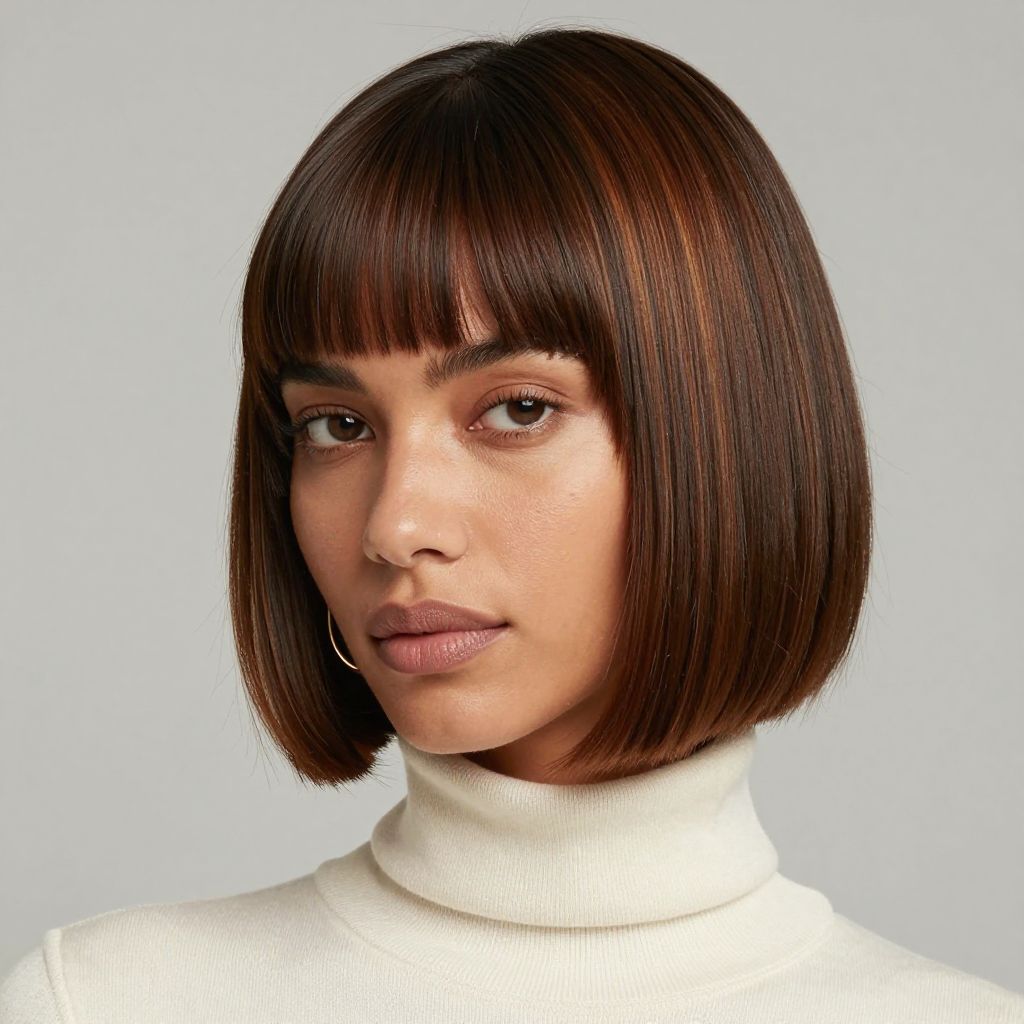
At first glance, this hairstyle looks like it came straight from a fairytale forest, but with unfortunate timing. It features a rounded helmet of hair hovering just above the ears and a blunt fringe. The volume feels stiff and overly controlled, creating a geometric silhouette that robs the face of expression.
- Length: Short to ear-level
- Cut Style: One-length blunt cut
- Texture: Straight and controlled
- Styling Time: 10 minutes
- Maintenance Level: High for shape upkeep
- Best Feature: Distinctive geometric silhouette
This style demands regular trims every 3 to 4 weeks and works best with very smooth hair. Humidity can quickly ruin the crisp shape, so a smoothing serum and flat iron are your best friends.
2. The Juicy Layers Confusion
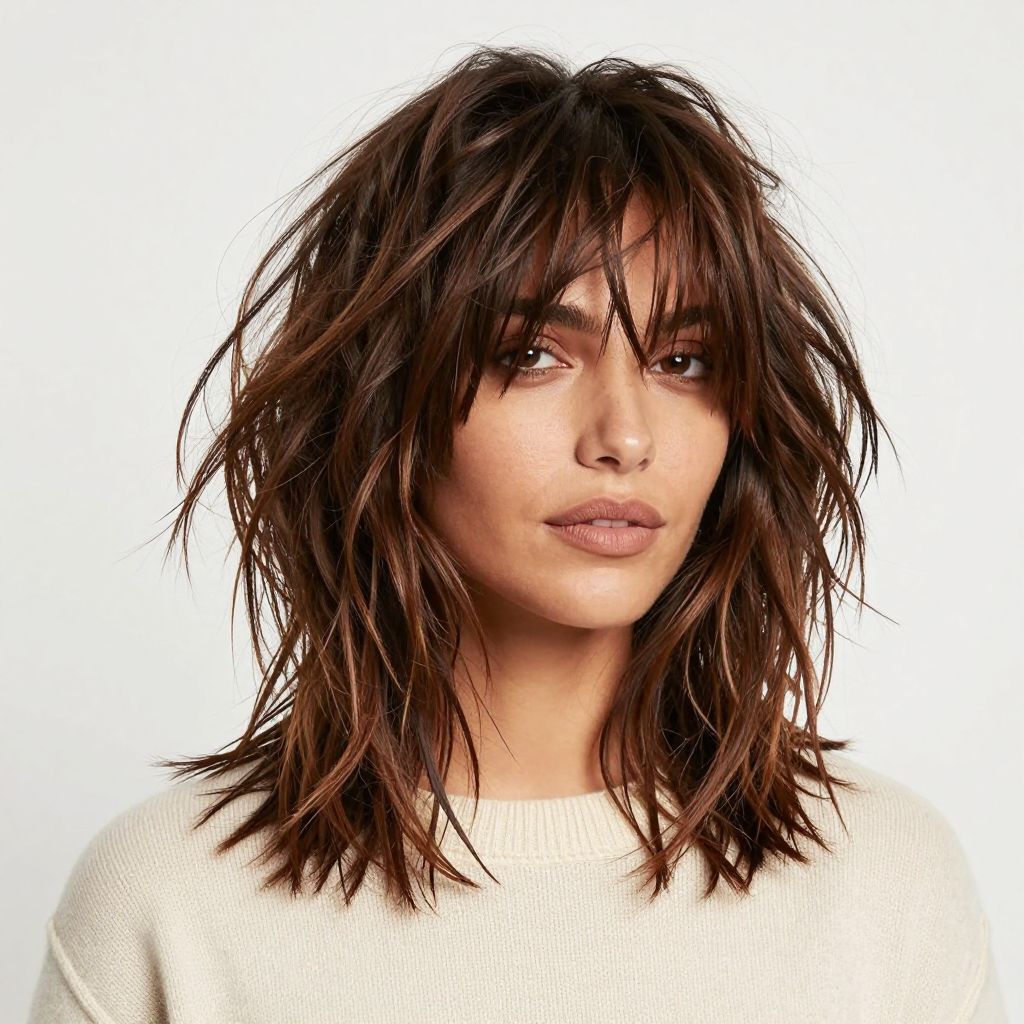
Imagine layers meant to add dimension but end up as uneven choppiness lacking flow. Stiff, jagged ends clash in texture, creating chaotic volume. The strands seem to compete for space instead of harmonizing.
- Length: Medium, shoulder-grazing
- Cut Style: Layered with heavy texturizing
- Texture: Textured, uneven ends
- Styling Time: 15 minutes
- Maintenance Level: Medium
- Best Feature: Messy, effortless vibe
Styling this look needs a good texturizing spray and rough blow-dry technique. Avoid heavy conditioners that weigh down layers, and get frequent trims to keep chaos in check.
3. The Invisible Bangs
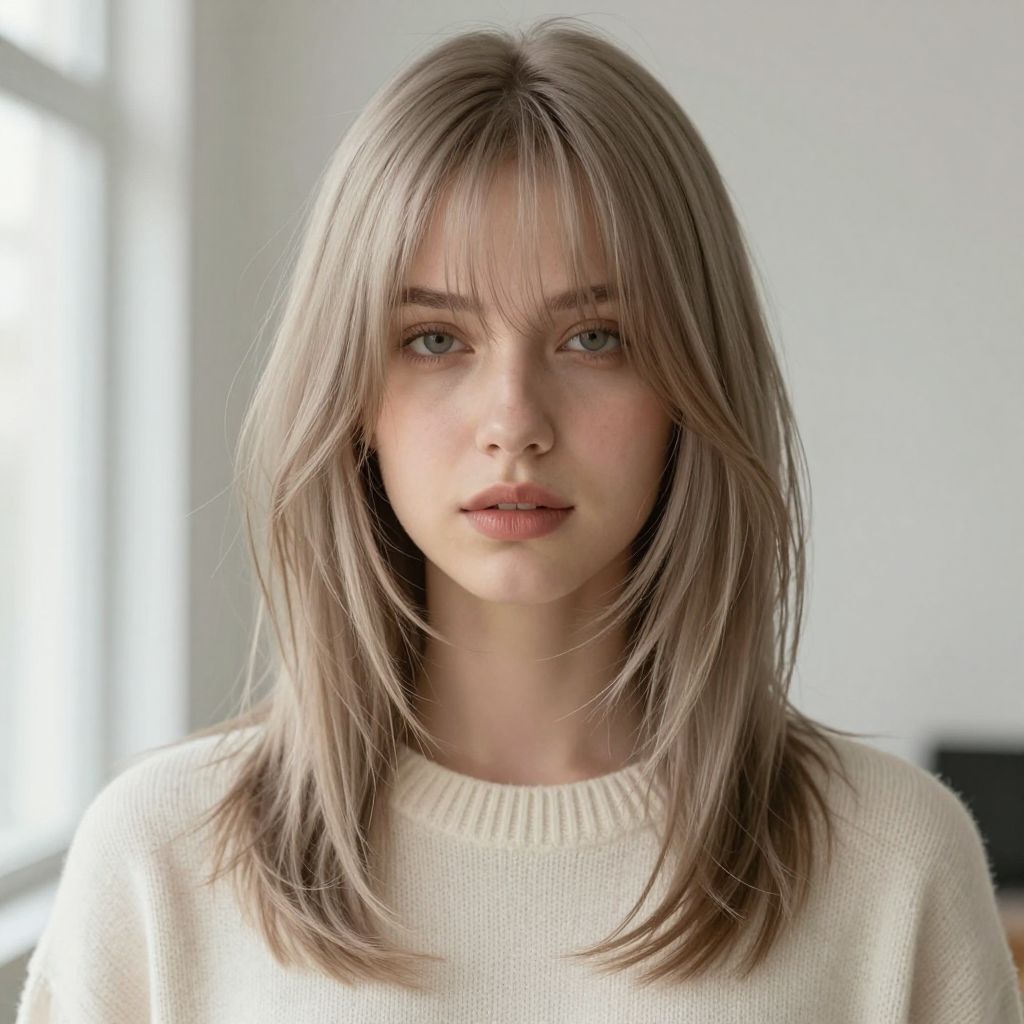
This one aims for a fringe statement but ends up wispy to the point of vanishing. Thin, over-plucked bangs barely frame the forehead, creating an odd patchy look that confuses more than complements.
- Length: Short to mid-forehead
- Cut Style: Feathered bangs
- Texture: Wispy and feathered
- Styling Time: 5 minutes
- Maintenance Level: Low
- Best Feature: Soft, ethereal fringe
This style requires shaping every 4 weeks to avoid awkward growth. It’s fragile against flyaways and humidity, so a lightweight smoothing spray helps keep strands in place.
4. The Static Swan Neck
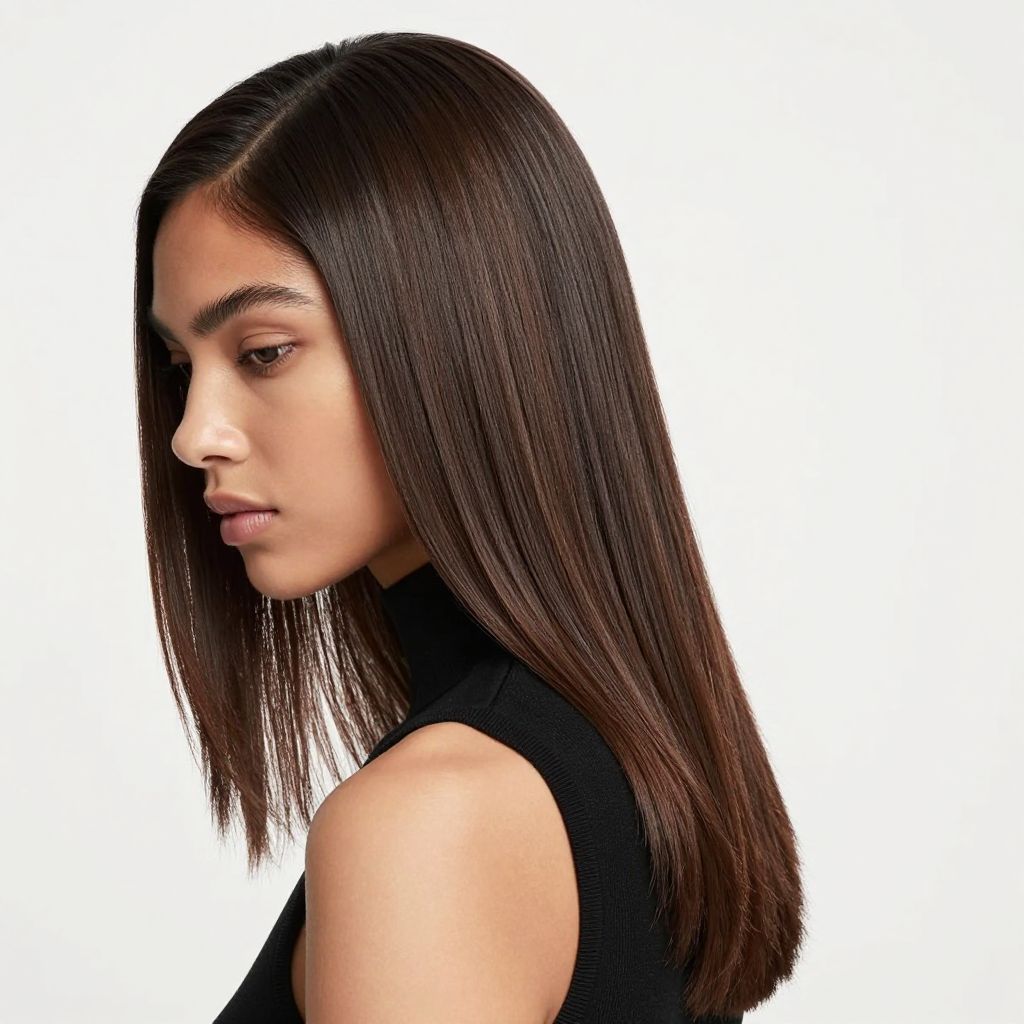
This look tries to suggest sleek elegance but ends up exposing the neck too much with hair plastered tight and lost volume. The result is a dangerously thin silhouette with little bounce.
- Length: Long to mid-back
- Cut Style: Minimal layers, blunt ends
- Texture: Smooth and sleek
- Styling Time: 10 to 15 minutes
- Maintenance Level: Medium
- Best Feature: Refined elegance
Static and flyaways can easily ruin this look, especially in dry weather. Anti-frizz serums and hairspray help maintain it, and occasional blow-drying is needed.
5. The Puffball Pony
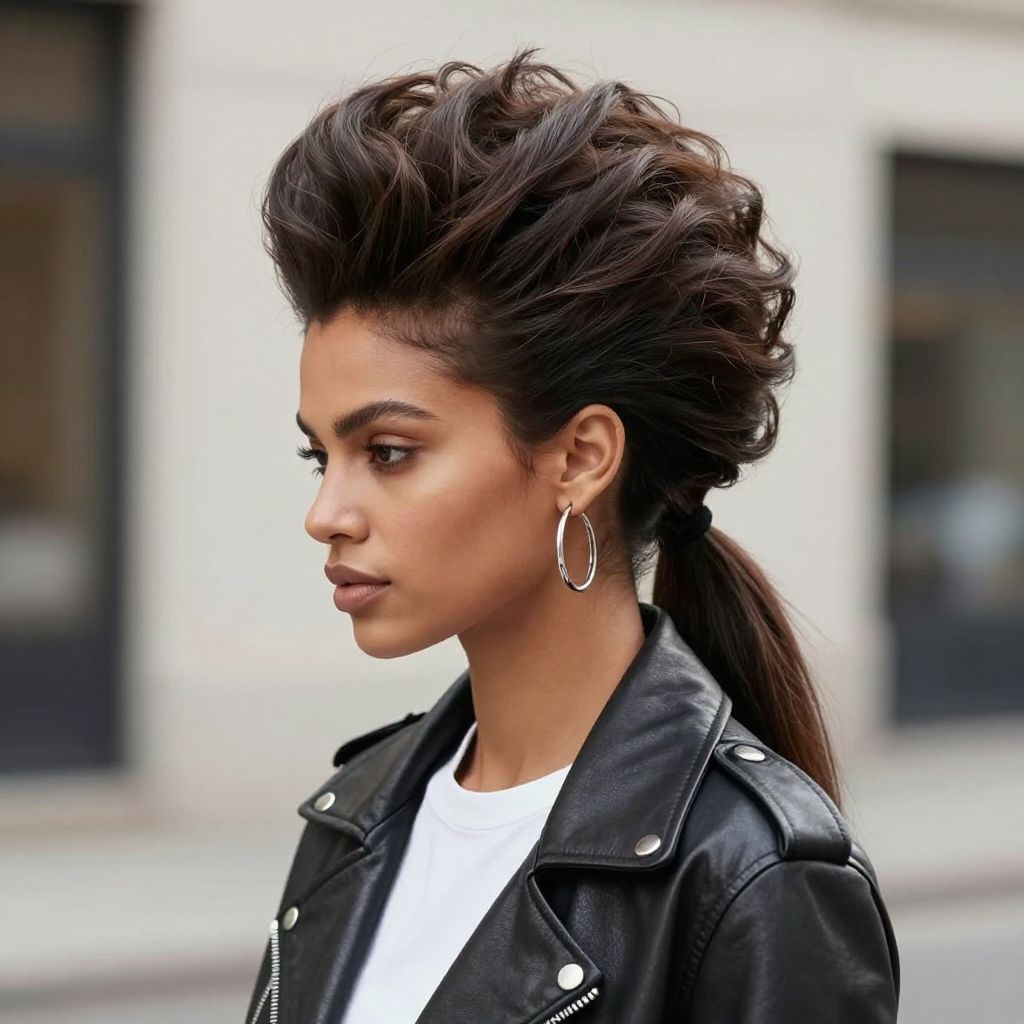
Picture a ponytail with too much volume at the root but a thin, tight tail. It gives a ballooned effect at the crown that belongs more in a costume drama than casual wear. The clashing proportions draw attention to awkward bulges.
- Length: Mid to long
- Cut Style: Trimmed ends with optional layering
- Texture: Voluminous crown, sleek tail
- Styling Time: 20 minutes
- Maintenance Level: Medium to high
- Best Feature: Height and drama at crown
This style needs teasing skills and quality hairspray. It can feel heavy and uncomfortable after hours and is not great for fragile hair prone to breakage.
6. The Mismatched Mullet
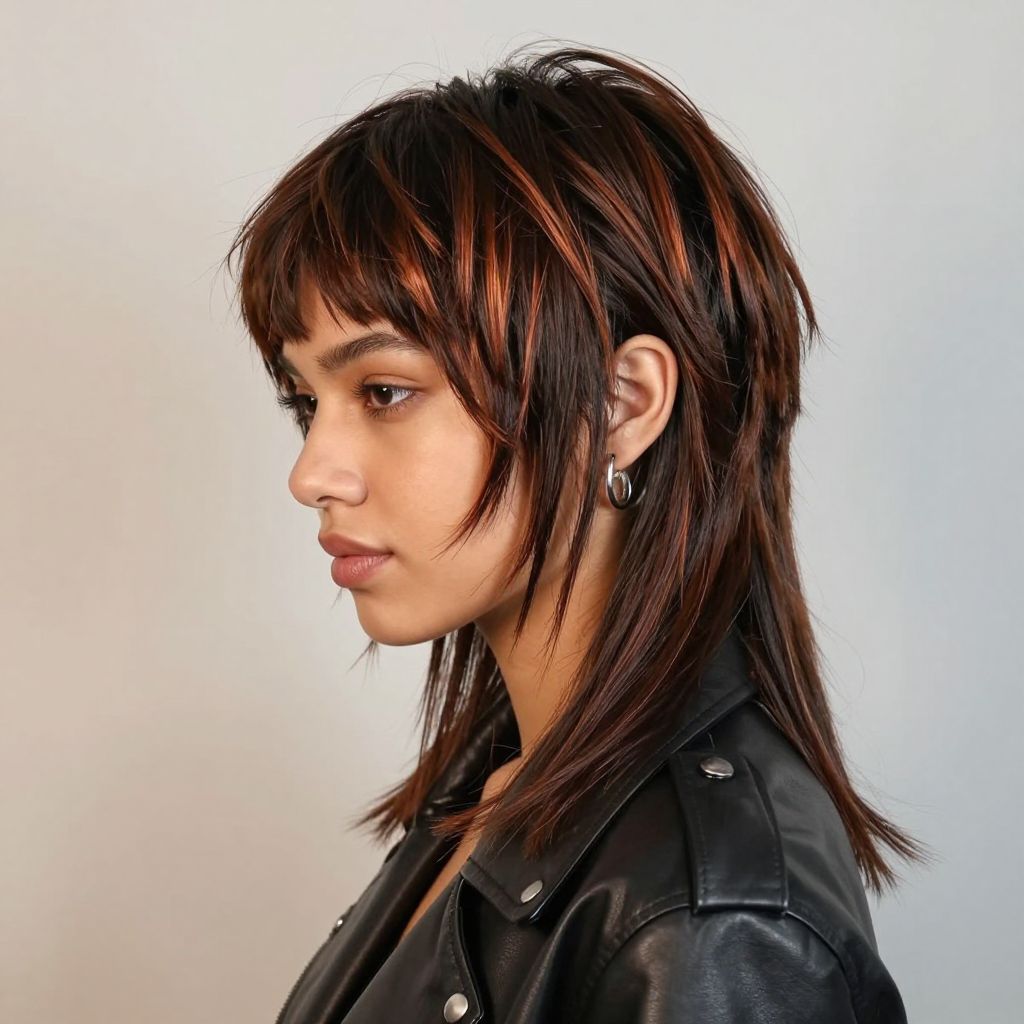
This infamous style aims for retro cool but ends up with wildly contrasting short and long sections. The abrupt transition and unbalanced volume in the back create confusion rather than trendiness.
- Length: Very short front, long back
- Cut Style: Severely layered, asymmetric
- Texture: Textured with sharp contrasts
- Styling Time: 15 minutes
- Maintenance Level: Medium
- Best Feature: Bold asymmetry
This cut grows out awkwardly, requiring trims every 4 weeks. Bold color choices may fade unevenly. Use styling products wisely to keep texture but avoid heavy buildup.
7. The Floppy Frizz
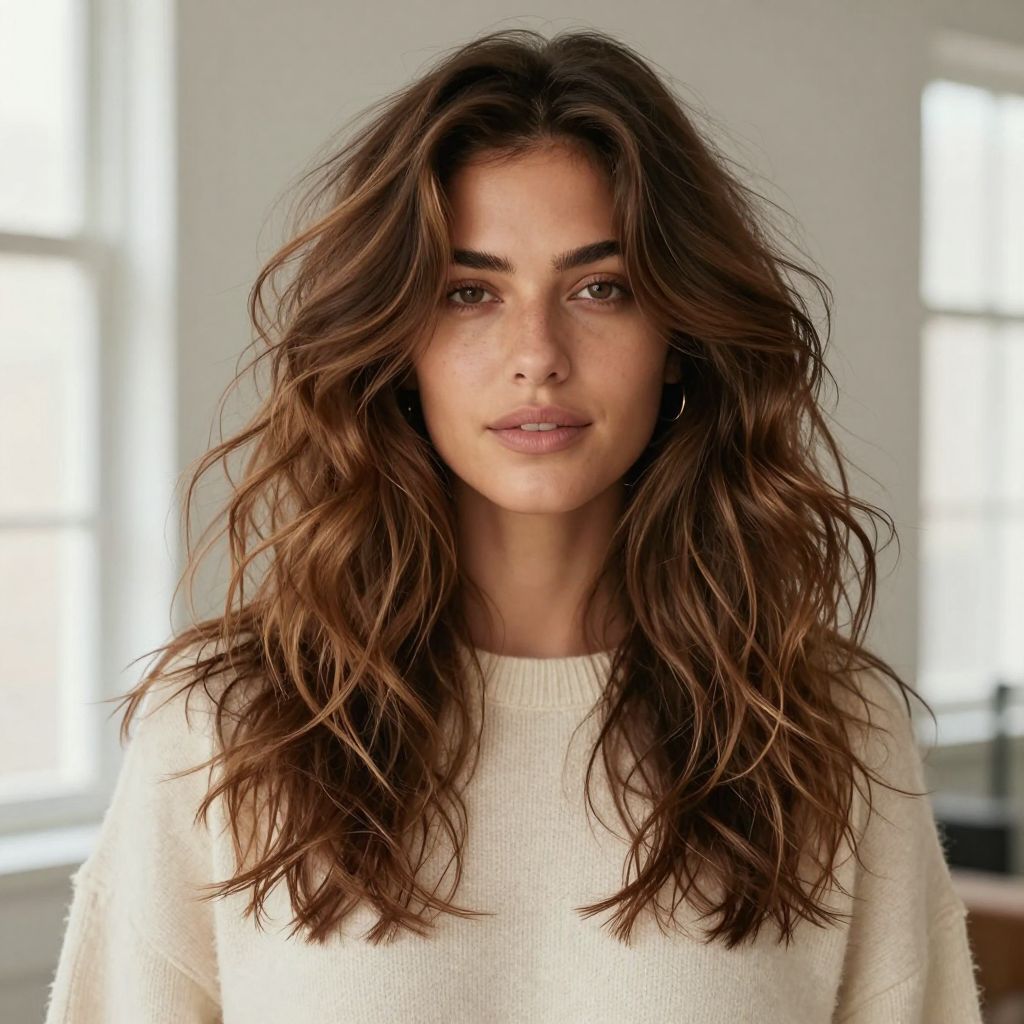
This hairstyle embraces uncontrolled volume battling humidity head-on. Without the right products, hair swells unpredictably, creating a fuzzy silhouette lacking shine or definition.
- Length: Medium to long
- Cut Style: Layered with soft ends
- Texture: Fluffy, frizzy
- Styling Time: 20 minutes
- Maintenance Level: High
- Best Feature: Wild volume
Managing this look means heavy product layering and humidity barriers. Each day is a battle against puffiness without a strong smoothing routine.
8. The Helmet Head
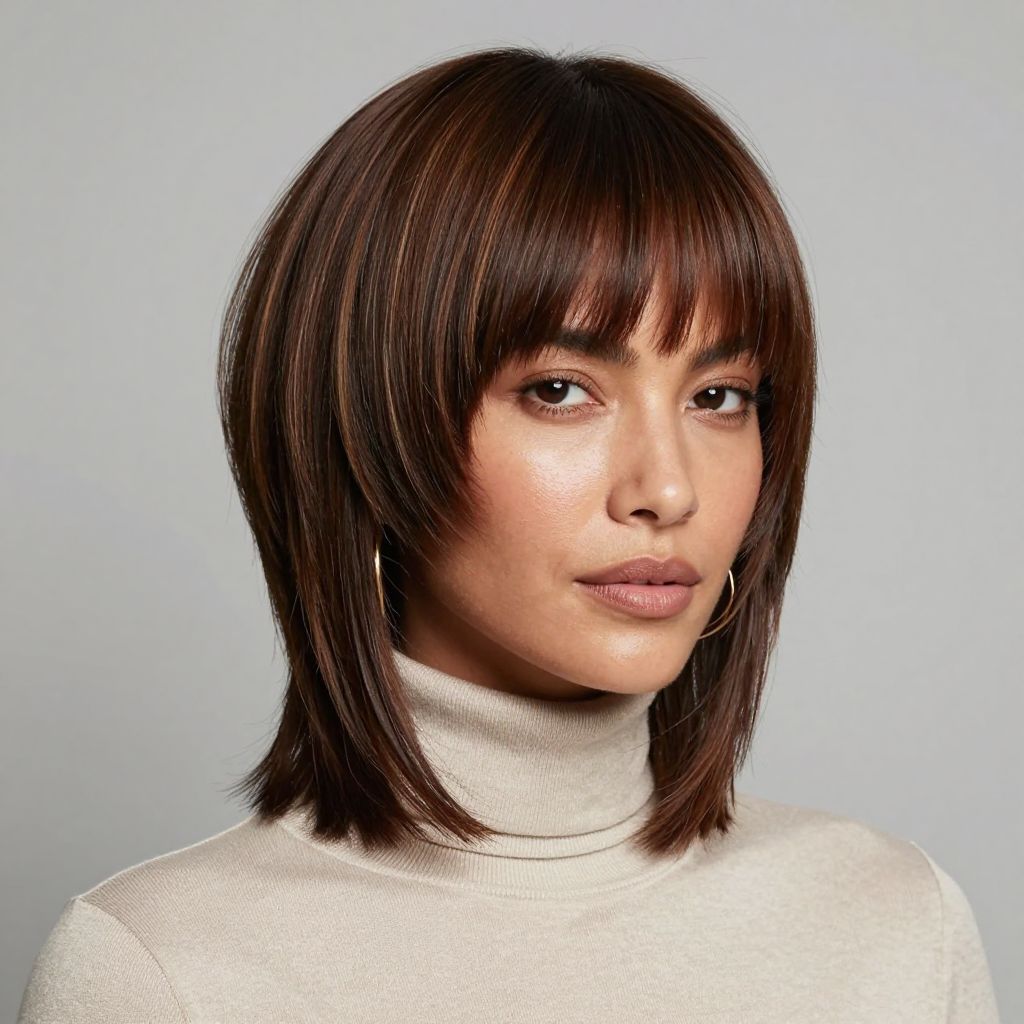
Imagine hair so stiff and over-styled it forms a shell over your scalp. It’s rigid with no natural movement, often caused by excess product or old styling habits. The shine feels plastic rather than healthy.
- Length: Mid-length
- Cut Style: Layered but heavily styled
- Texture: Over-structured and stiff
- Styling Time: 15 minutes
- Maintenance Level: Medium
- Best Feature: Precise shape
This look requires frequent washing to prevent product buildup. Avoid reapplying heavy products during the day, and soft finishing sprays help reduce stiffness.
9. The Scraggly Pixie
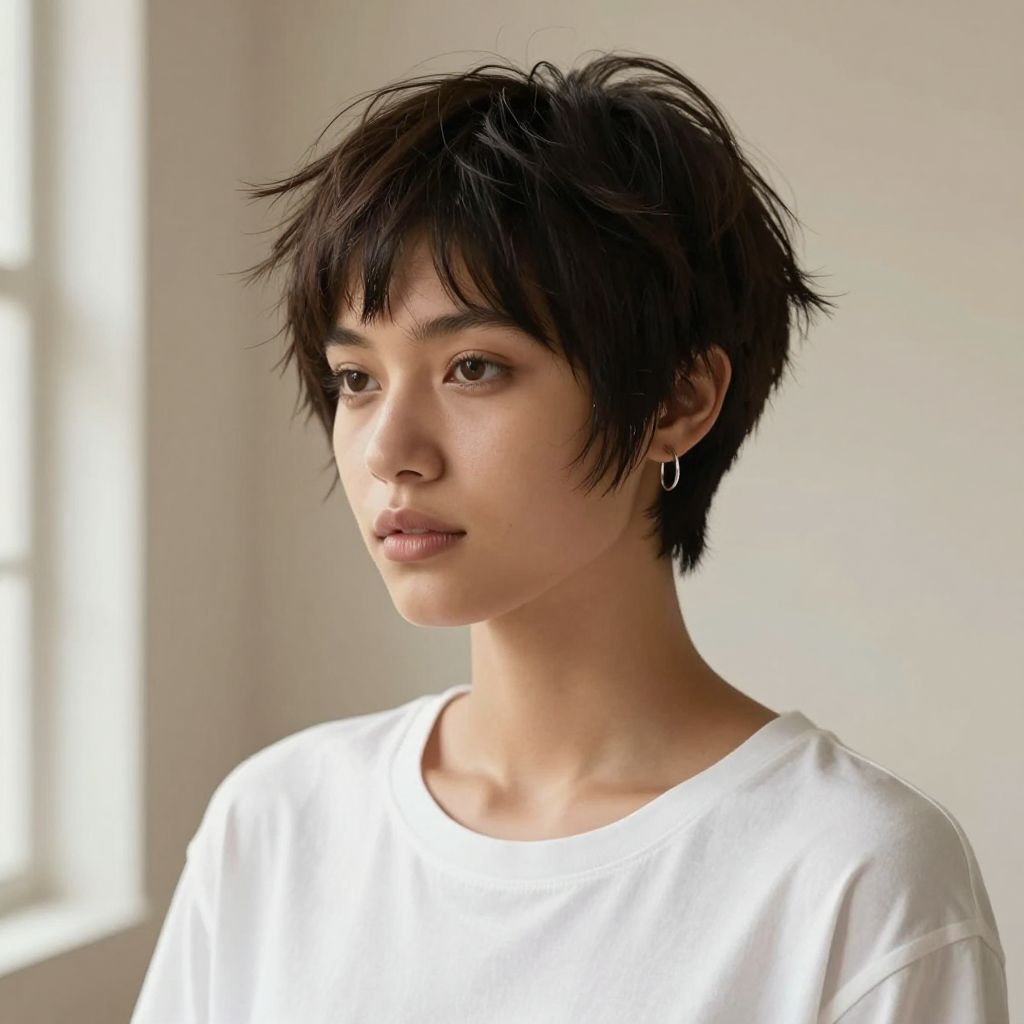
Short, choppy layers look disconnected and lazy without blending. This pixie can scream “I just gave up” rather than “I woke like this.”
- Length: Very short, cropped
- Cut Style: Layered pixie
- Texture: Uneven, choppy
- Styling Time: 10 minutes
- Maintenance Level: High
- Best Feature: Bold daring cut
This cut needs solid maintenance or it grows out wildly in unmatched stages. Styling powders help but need skill to avoid flatness.
10. The Patchy Color Disaster
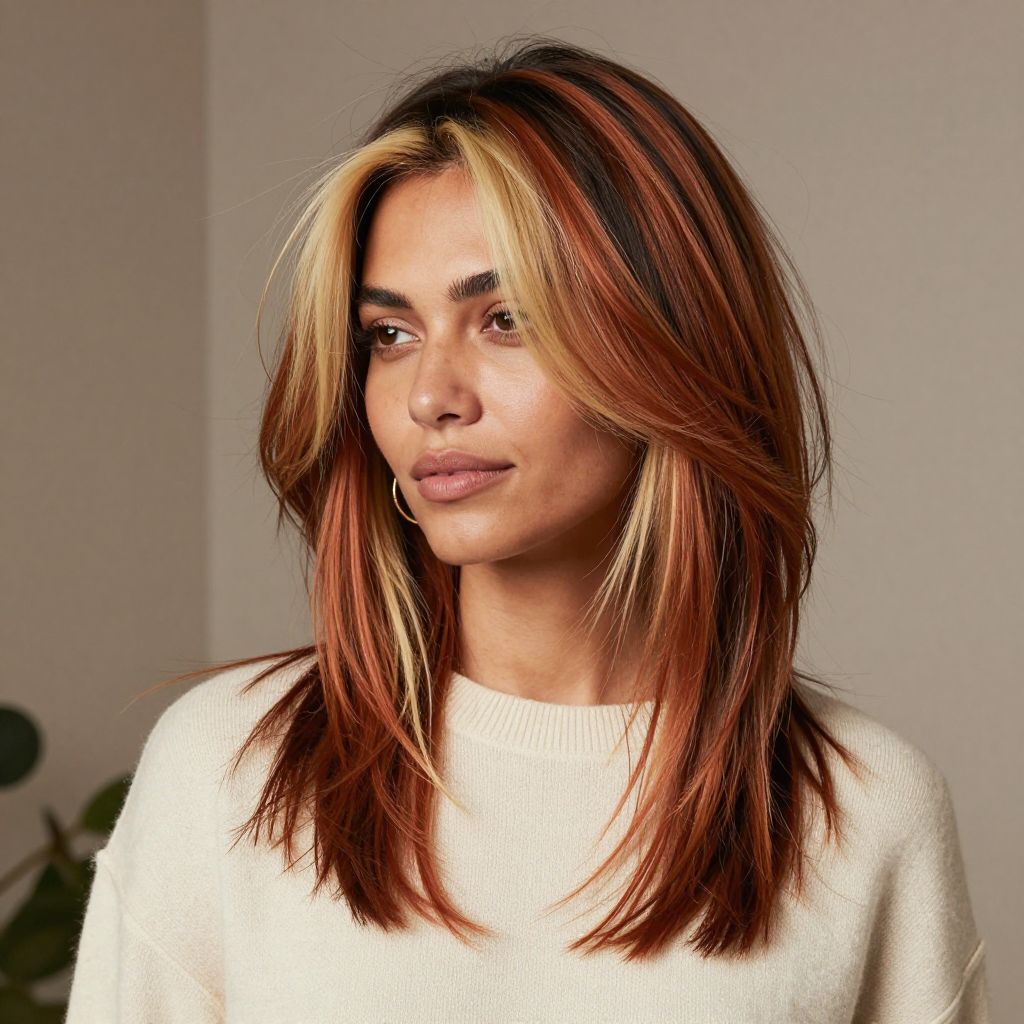
When hair color shows several tones without blending, patches appear like a painter’s palette gone wrong. Scalp shows unevenly, and mismatched hues confuse more than enchant.
- Length: Varies
- Cut Style: Varies independently
- Texture: Color-focused contrast
- Styling Time: 10 to 15 minutes
- Maintenance Level: Very high
- Best Feature: Artistic color expression
This style requires touch ups every 6 to 8 weeks. Use color-safe shampoos and avoid sun damage to protect color.
11. The Reverse Feather
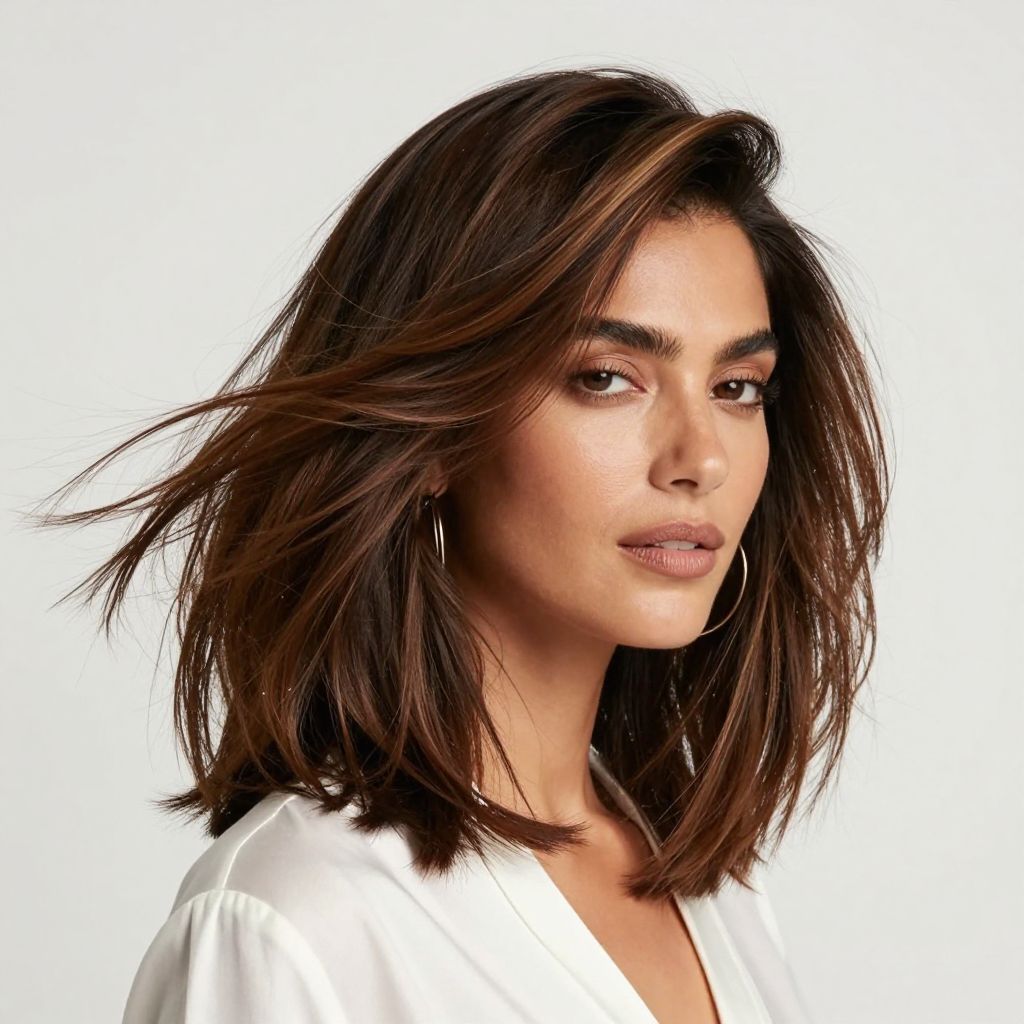
This hairstyle tries to add lightness but creates volume that lifts away from the face with layers brushing backward. The front looks flat while the back feels bulky, making an unbalanced silhouette.
- Length: Medium, layered
- Cut Style: Layered with upward brushing
- Texture: Feathered, lifted
- Styling Time: 20 minutes
- Maintenance Level: Medium
- Best Feature: Dynamic volume
Styling involves furious blow drying and hold products. Windy days can ruin the shape quickly.
12. The Greasy Bedhead
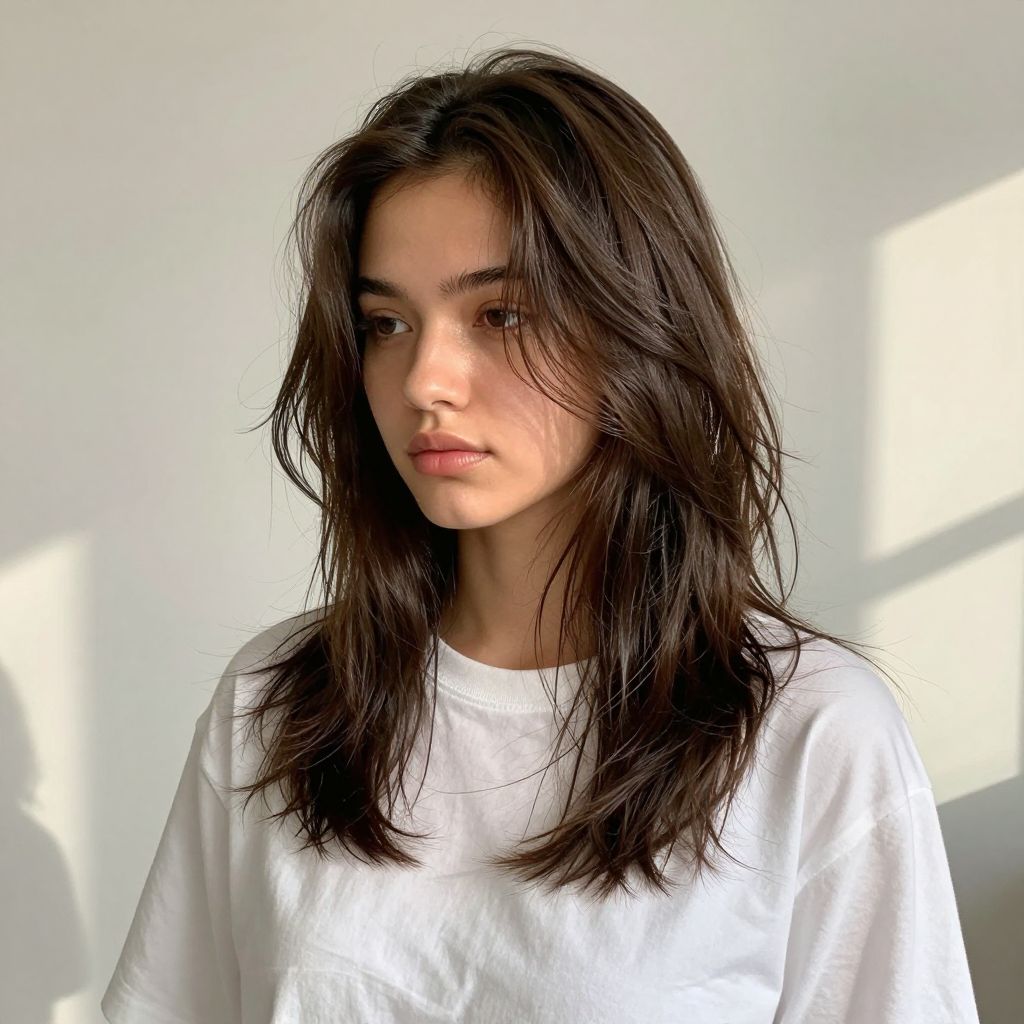
This “just woke up and forgot to shower” look features flattened, clumped strands without separation or shine. It creates limp texture and a tired appearance no product can really fix.
- Length: Varies
- Cut Style: Any, volume-enhancing preferred
- Texture: Limp, oily
- Styling Time: Minimal but ineffective
- Maintenance Level: High in cleanliness
- Best Feature: None
Prevent this look with frequent washing and light products that do not weigh hair down. Regular scalp care is essential.
13. The Torn Paper Ends
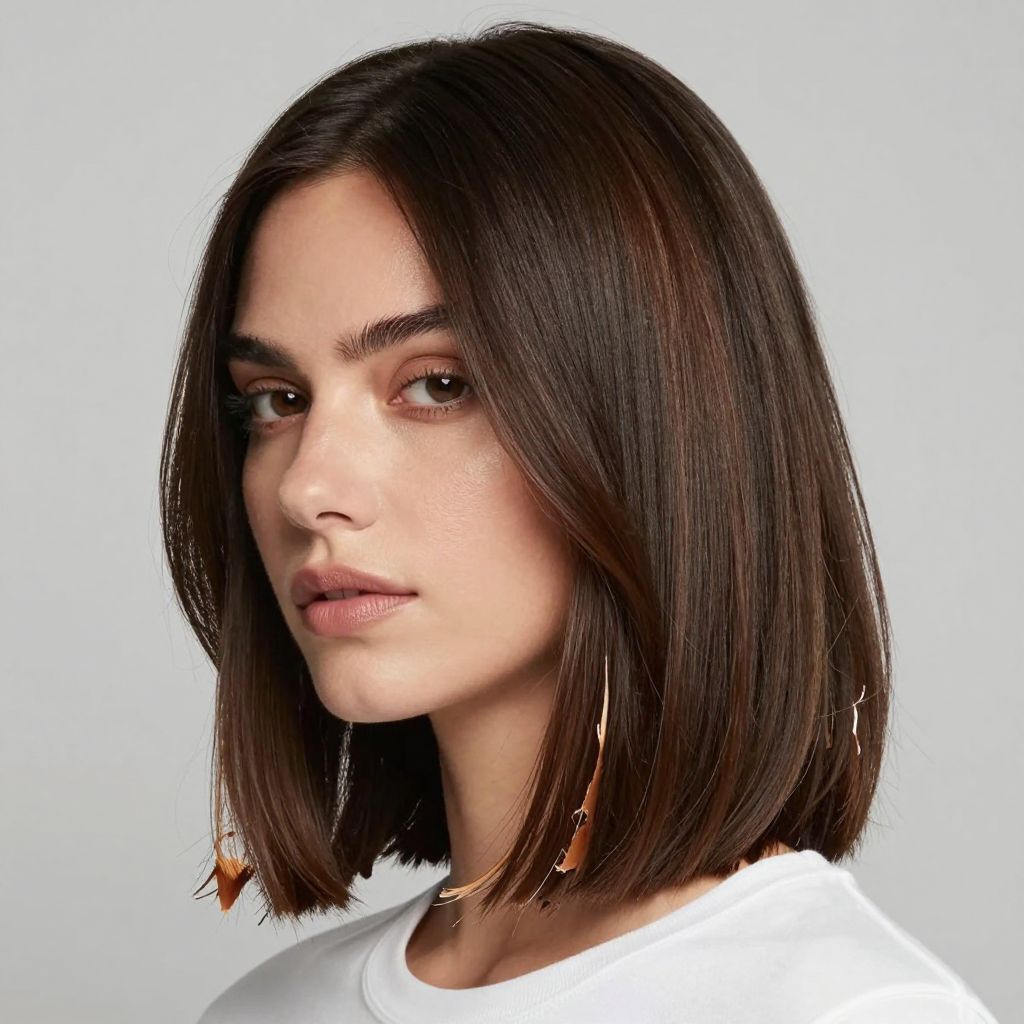
Overzealous DIY trimming and lack of care create split ends that look shredded. Hair loses cohesion and shine, with uneven tips catching light for all the wrong reasons.
- Length: Varies
- Cut Style: Needs refreshing
- Texture: Frayed and uneven
- Styling Time: Increased due to damage
- Maintenance Level: High
- Best Feature: None when damaged
Fix this with trims, deep conditioning, and strengthening products. Avoid heat styling until hair health improves.
14. The Helmet Fringe
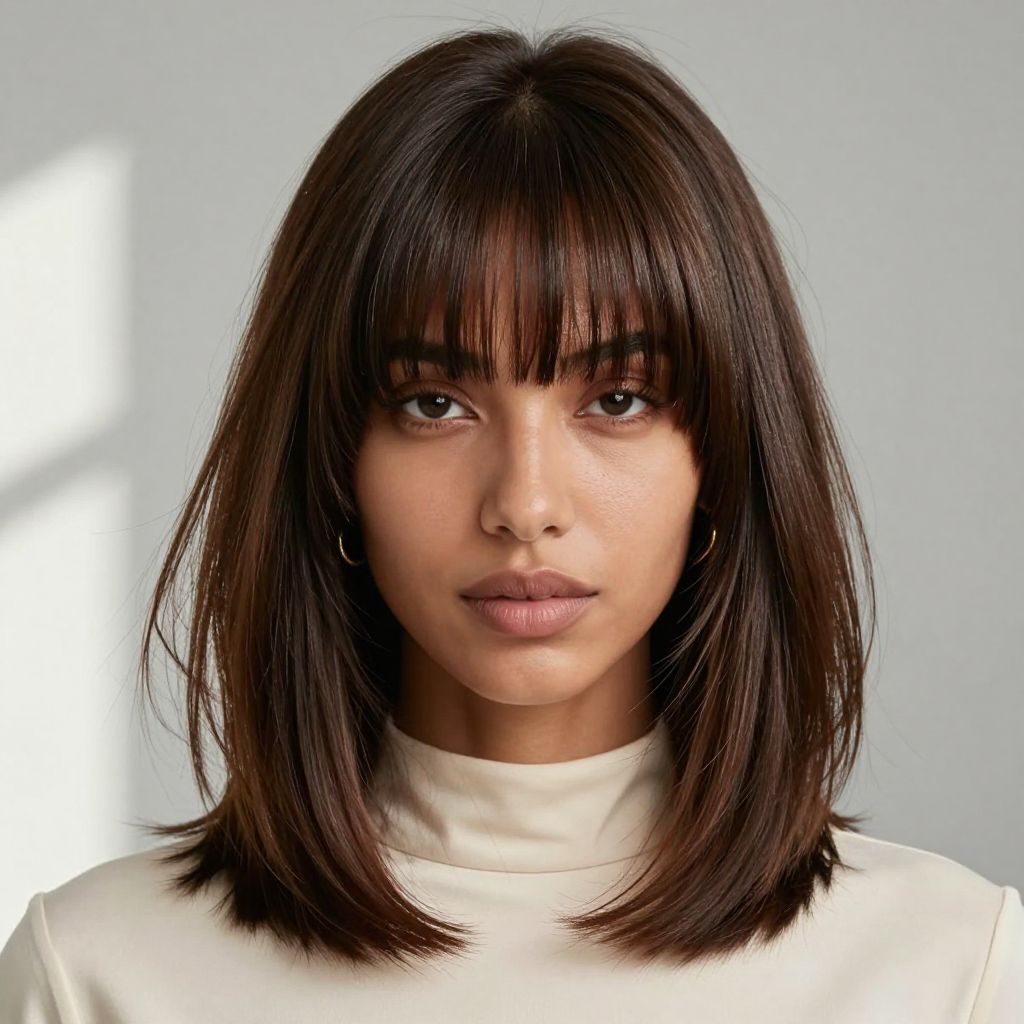
This fringe is thick, uniform, and blunt, sitting like a shield over the forehead without softness or gradient. It can look harsh, especially on round or square face shapes, with square edges rather than tapered.
- Length: Thick, full fringe
- Cut Style: Heavy blunt cut
- Texture: Dense and blunt
- Styling Time: 5 to 10 minutes
- Maintenance Level: Medium
- Best Feature: Statement brow frame
This fringe grows out quickly losing shape, so trims every 3 weeks keep it fresh. Styling mousse prevents flyaways and maintains density.
15. The Wild At-Home Perm

This hairstyle screams experiment gone wrong. Over-processed curls are uneven, frizzy, and mismatched in size. Extreme volume with dry texture makes hair look like a chaotic cloud rather than defined curls.
- Length: Medium to long
- Cut Style: Layered for shape
- Texture: Highly curly, inconsistent
- Styling Time: High
- Maintenance Level: High
- Best Feature: Maximum volume
This style needs professional care to revive healthy curls. Daily styling with rich conditioners and curl creams helps combat frizz and dryness.
How Different Hair Types Change The Look
Straight hair emphasizes structure and angular cuts, making geometric or blunt styles stand out but can look flat without intentional volume.
Wavy hair brings natural movement and softness that can rescue harsh cuts but may need control products to avoid frizz in layered looks.
Curly hair adds unpredictability in volume and shape, turning some “ugly hairstyles” into artistic chaos or standout texture statements depending on care.
Coily hair has dense curls that, when bluntly or unevenly cut, create bold silhouettes. Moisturizing and shaping cuts bring harmony to complex layers.
Fine hair requires volume management since over-layering or heavy products can weigh hair down or highlight imperfections.
Thick hair offers fullness supporting bold, voluminous styles but can become hard to control without careful shaping and styling.
Color Pairing Ideas Worth Considering
Dimensional brunettes add depth and shimmer, perfect for layering and softening edges on challenging cuts. They make “ugly” cuts feel nuanced.
Warm blondes brighten lighter textures but highlight uneven cuts or dryness, so keeping hair healthy is key.
Copper shades bring fiery pop to blunt or geometric styles, adding warmth where shape might feel too imposing.
Rich black tones create sleek, glossy backdrops that contour shapes nicely but may show texture flaws more.
Highlights placed strategically soften harsh lines and add movement. Try balayage or money pieces to bring playful lightness to rigid shapes.
Balayage creates gradual transitions that distract from uneven cuts and add life to flat styles.
Money piece colors at the front brighten eye areas and highlight face shapes, acting like friendly spotlights.
The Styling Products That Make The Biggest Difference
- Texture sprays: Add grip and dimension, great for layers and tousled looks.
- Mousse: Boosts volume and holds soft shape without stiffness.
- Heat protectants: Essential for preventing damage during blow-drying and flat ironing.
- Shine products: Provide gloss and healthy appearance, taming dull or frizzy hair.
- Curl creams: Define curls and reduce frizz for curly and coily textures.
- Lightweight oils: Hydrate without weighing hair down, adding softness and smoothness.
Knowing when to apply each product can transform even the most questionable haircuts into polished looks. Texture sprays are best for messy layers, shine products for sleek styles, and curl creams for anything needing bounce, creating infinite possibilities.
Common Mistakes People Make With ugly hairstyles
1. Neglecting Regular Trims
Letting layers grow out without maintenance often turns an edgy cut into an unshapely mess no product can fix.
2. Overloading on Heavy Products
Too much gel or cream weighs hair down, making styles limp and losing volume or texture.
3. Ignoring Hair Type Compatibility
Choosing styles without considering natural texture leads to frustration and styles that do not perform.
4. Skipping Professional Consultation
Trying experimental cuts at home or without clear stylist communication often results in unexpected, unpleasant outcomes.
5. Forgetting Climate Impact
Humidity or dryness drastically changes how a style behaves, and ignoring this leads to daily styling disappointments.
Celebrity Inspired Variations
Many celebrities turn “ugly hairstyles” into show-stopping looks by playing with color extremes like platinum blondes or fiery reds. Volume goes from va-va-voom lifts to sleek flat layers, breathing fresh life into classic cuts.
Partings vary too—deep sides add mystery, bold center splits frame faces in symmetry. Texture switches from messy curls to glossy straight depending on event vibes. Length changes transform a mullet into a modern shag or a pixie into a bob.
These personal touches prove that a hairstyle called ugly in one context can become iconic when adapted to individual features and personality.
Frequently Asked Questions
How often should I trim an “ugly hairstyle” to keep it looking intentional?
Every 4 to 6 weeks is ideal to keep shape and prevent awkward growth phases.
What are the best styling products for controlling frizz in these hairstyles?
Lightweight oils and anti-frizz serums work wonders without adding weight or grease.
Can these styles work on all hair types?
While some cuts suit certain textures better, discussing with a stylist helps find the best fit.
What face shapes suit blunt or heavy fringes best?
Oval and heart-shaped faces wear heavy fringes well, while round faces might prefer softer edges to avoid harshness.
How do I communicate clearly with my stylist about avoiding “ugly hairstyle” mishaps?
Bring photos, describe your hair type honestly, and ask about shape and maintenance before the cut.
Are “ugly hairstyles” easy to grow out?
Some grow into flattering shapes; others need trims to avoid awkward stages.
What product should I avoid to prevent adding unwanted weight to fine hair?
Avoid heavy creams and waxes; use mousses or sprays designed for volume instead.
Wrapping It Up
“Ugly hairstyles” are less about actual ugliness and more about perspective and care. Many cuts seen as questionable become signature statements with the right styling and attitude.
Don’t hesitate to experiment and embrace what feels authentic; hair is resettable and endlessly adaptable. The key is knowing your hair’s personality and working with it, not against it.
Remember, the best hairstyle is the one that makes you smile when you run your fingers through it. Happy styling!
If you enjoy discovering fresh hairstyle inspiration, take a look at these beauty and hair articles.
Throwback to some iconic 2000s hairstyles for nostalgia and fun.
Explore edgy and timeless 90s hairstyles from decades past to inspire your next look.